Who really drinks non-alcoholic spirits
What 214,000 posts told BARE Zero Proof about its consumer, before anyone asked a question.
- 214K
- public posts
- 130K
- people talking
- 24
- months of conversation
- 5,000+
- posts read by analysts
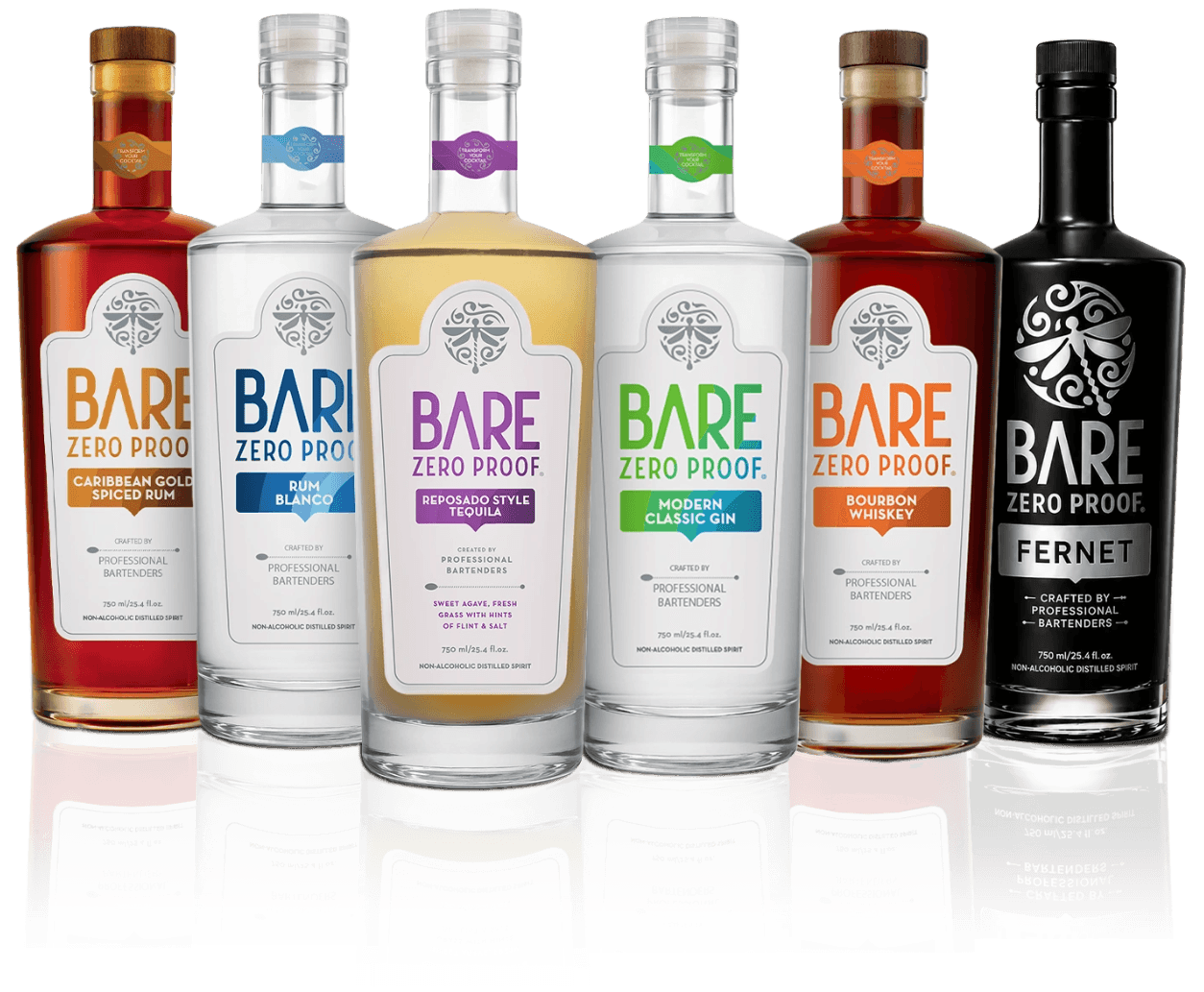
BARE Zero Proof Spirits makes zero-proof gin, whiskey and tequila. In 2022 the brand was young and the category in the United States was new and fragmented. BARE wanted to become its thought leader, and needed to know who it was talking to.
We did not run a survey. We read what people were already saying to each other about not drinking.
This approach is real world. We are allowed to voyeuristically listen to how our consumers communicate their thoughts and authentically describe the world as they see it.
The turn
Everyone knew who the consumer was
What the industry assumed
Wellness-minded 21 to 34 year olds
Industry reports agreed. Gen Z and Millennials were choosing a sober life for their health, and out of fear of losing control in front of a camera. A survey written from that brief would have measured their wellness motives with great precision.
What the conversation showed
People managing a relationship with alcohol
Staying sober, cutting down, or hiding that they were not drinking. For them the drink does two jobs. It protects their sobriety, and it gives back what sobriety took away: a place at the bar, a glass in the hand, the ritual at the end of a long day.
Growth in the category is driven by social occasions. And a non-alcoholic spirit is not a perfect stand-in, so the illusion has to be kept up. Drinkers go looking for new products, better recipes, rituals, and people who know more than they do. The search is part of the pleasure. It breaks when a bar has nothing to offer, or when a bad bottle ruins the effect.
In their words
“I’m sober not dead. It’s ok to bring non alcoholic drinks with you to bbqs for you and to share”
Emotional Crutch
“Sober people deserve fanciness too!”
NA Pride
“I love the ritual of a drink at the end of a long day and this is a good replacement since I quit drinking.”
Forget
“I make Nothing and Tonics with Q tonic, lime juice, and a couple dashes of juniper berry extract. Tasty. Further, the act of making it with eyedroppers and such is a nice ritual.”
Forget
“Just get a mocktail. You’d prob be surprised how many of your friends either don’t care or want to do the same thing but also feel awkward about it.”
Disguise
“Have to say as a sober person trying to have a social life in this world… a bar with a solid and considered mocktail menu brings a god damn tear to my eye”
NA Pride
“It smelled too real. Tasted too real.”
Rip Off
The architecture
Five narratives
The conversation organised itself into five stories people tell about drinking without alcohol.
- 01
Emotional Crutch
Something to lean on while staying sober, and a way back into going out after years of being left out.
- 02
Forget
The ritual without the alcohol. Made and drunk as if it were the real thing, so the real thing can be forgotten.
- 03
Disguise
A drink that hides the fact that you are not drinking.
- 04
NA Pride
The answer to stigma: community, recipes, venues, and no more shame about ordering.
- 05
Rip Off
The anger of people for whom it did not work.
The segmentation
Six personas, built from need
The personas come from how people describe themselves when nobody is profiling them. They are separated by what they need from the drink, how often they use it, and whether they drink it alone or in company. Each came with a way to reach it.
- Out, with others
The Re-Socializer
“Sober, not dead.”
Once at the centre of the party, then cut off from it by sobriety. Needs zero-proof on the menu and a bartender who knows what to do with it.
Stand with them in the push for acceptance.
- At home, alone
The Alcohol Illusionist
“To up my mocktail game.”
Rebuilds an old favourite drink at home, in detail. Knows the brands, shares recipes, and notices at once when the burn is missing.
Give them variety and recipes.
- The third drink
The Mindful Moderator
“Mocktails are good af!”
Still drinks, and is looking for acceptable reasons to drink less: the third drink of the evening, Dry January, no hangover tomorrow.
Give them more occasions.
- Work events, weddings
The Social Chameleon
“I was shy to ask at first.”
Not drinking, and would rather nobody noticed. Wants a drink that looks like everyone else’s, at a work event or a wedding.
Do not address them directly.
- Tried once, at home
The Dispirited
“I feel stupid for having tried it.”
Tried it and feels cheated. Too expensive, too little like the real thing, or too much like it.
Listen. This is where the category fails.
- Rarely heard
The Straight Thriver
“I love appropriating alcohol aesthetic.”
Never drank, and likes the look and ritual of a cocktail. Cares about purity and ethics. Rarely talks about the category.
Purity, ethics, aesthetics.
What we could not see
The people who had nothing to argue about
The audience the industry expected does exist. People who come to the category for health reasons, with no history to manage, were in the data. They were quiet. They have no tension to talk about, so they do not talk.
We told BARE that, and recommended studying that group with traditional methods. Reading the conversation shows you where the energy is. It also shows you where a survey is the right tool.
What BARE did with it
In the client’s words
“Based on the personas identified, we crafted strategic social media and PR plans that more specifically targeted the exact consumer we needed to gain awareness and conversion – successfully. The insights informed us how to prioritize our target in a way no other research could have. Our consumer is new, young and elusive. This approach cut through the clutter to create clarity.”
“As an emerging consumer group, those Americans on a sober journey, this social media intelligence research provided in-depth insights that enabled our fledgling brand to speak with confidence and clarity to our target audience. It gives us street cred. We may be new but we ‘get’ them.”
Jim Kempland, Co-Founder and CEO, BARE Zero Proof Spirits, on stage with us in 2023
BARE built its public campaign on the study. The State of Sober Socializing came out in January 2023 and was recognised at the PR Daily Awards that year.
2024
Two years on, read again
In 2024, with OvationMR, we read the brand, its competitors and the category again, this time with the Reading Machine. The conversation had moved.
- 14%
- of the discussion mentions sugar
- 2%
- is about how much sugar a product contains
- 48%
- of occasions described are at home
- 0.0%
- alcohol: what people single out about BARE
- Out of imitation. Drinkers had begun to say that the best non-alcoholic spirits are not trying to replicate anything.
- Sugar is an excuse. It was a reason people gave for rejecting the category, not a health concern they were weighing.
- Home first. At home (48 percent) came ahead of going out (39 percent) and travel (13 percent).
- What sets BARE apart. That it is 0.0 percent alcohol where many products are “less than 0.5”, and that it was made by bartenders.
“Bare was made by bartenders, and all their ‘spirits’ genuinely taste like what they are supposed to be.”
Public post, 2024
On stage
Presented with the client
QRCA Annual Conference, Charlotte, March 2023
Insights Without Asking: Understanding Consumers through Social Media Intelligence
Daniel Fazekas with Sandra Bauman of Bauman Research & Consulting and Jim Kempland of BARE Zero Proof.
TMRE, 2024
Crafted Illusion or Unfiltered Reality?
Daniel Fazekas with Jim Kempland and Erik Larsen of OvationMR.