Brands
Social intelligence for brands
What consumers tell each other about your category, before you ask them anything.
A tracker scores the category on the attributes you chose. We read the conversation to find the attributes, the words and the people it does not yet include.
We read the conversation consumers are already having, in forums, comment sections and communities where no brand is present. We map the constructs, tensions and language that organise their decisions. You leave with the questions for your next survey, tracker or segmentation. Your team, your agency or Bakamo can field them.
Where we start
Questions we are brought
- Why does a proposition that tests well not travel?
- Where does the category begin and end for the people who buy it?
- Which need is forming before it shows in sales data or a tracker?
- Who is in the conversation that our segmentation has no place for?
- We are entering a market and a language we do not know. What are we missing?
Human analysts read the material. The Reading Machine holds the whole conversation at once, so nothing is left out because it did not look interesting. Interpretation stays with the researcher. How the work is done
From the Atlas of the Unexpected
What came up when nobody was asking
Cases
11 entries
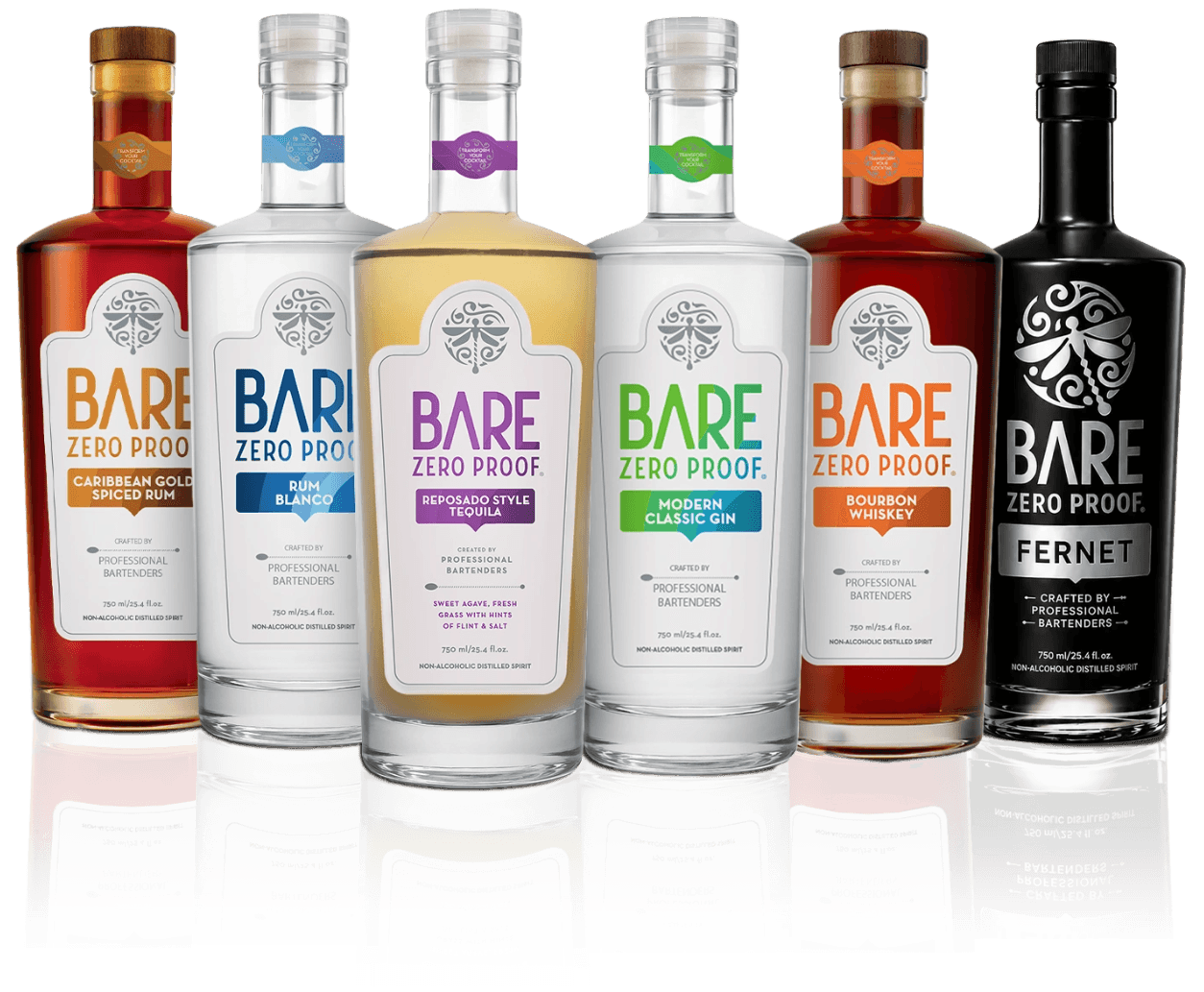
Non-alcoholic spirits, North America
BARE Zero Proof
- 214K
- public posts
- 130K
- people talking
- 6
- personas
Read the case study: BARE Zero ProofExpected: industry trend reports described the buyer of non-alcoholic drinks as young, a generation choosing to drink less.
Found: in these conversations, people describe wanting a way to take part in the moments alcohol used to mark. The most engaged voices were people who had decided to stop drinking alcohol.
The question: how much of the category depends on people who have stopped drinking, and what do they need from a drink?
Body care, four markets
Beauty and body care, Sub-Saharan Africa
- 4
- markets
- 5
- languages
Beauty is not one idea. Every market assembles it differently, and the people who live there rarely spell it out. They show it in how they talk about their skin, what they do for it, and what they admire in others.
For a body care brand we read those conversations in South Africa, Nigeria, Ghana and Kenya, in the languages people use with each other. Local analysts did the reading. The picture of beauty in each market then went into the brand’s product development workshops.
Read in English, Zulu and Xhosa.
TV production
TV show locations, Latin America
- 4
- countries
- 40
- destinations profiled
- 12
- months of conversation
Expected: young viewers want famous destinations.
Found: in all four countries the places they admire are remote and hard to reach.
The question: does a hard-to-reach location make a show more attractive to this audience?
A production needed locations for a high-end show for young viewers in Brazil, Mexico, Argentina and Colombia. We read how young people in each country talk about the places they travel to, and profiled forty destinations by their character, by who goes there, and by the size of their social media audience.
One desire ran through all four countries: nature, and depth. The deeper a place lies, the more untouched, mystical or psychedelic the experience. Hard access and no signal are part of the appeal.
Tourism is a social media statement.
Where young people go
- 1Foz do Iguaçu
- 2Jericoacoara
- 3Pipa
Top five by character
- 1Jericoacoara, Brazil
- 2Xilitla, Mexico
- 3Real de Catorce, Mexico
- 4Riviera Maya, Mexico
- 5Jalapão, Brazil
Travel, major US airport
Airport travellers, Florida
- 12
- months of conversation
- 1,500
- posts read by analysts
For a major airport in Florida we read a year of what travellers say about passing through it. The work sorted travellers into types by what they need from the airport, and set out what makes the experience better or worse for each.
Higher education, major Texas university
University reputation, Texas
- 12
- months of conversation
- 1,500
- posts read by analysts
For a major Texas university we read a year of public conversation about it, among future, current and former students and among people with no tie to it. The question was what defines the university in the national conversation: why people choose it, what they think sets it apart, and what its former students add to its name.
The reading set the agenda for the interviews that followed.
Home, flooring manufacturer
Flooring, United States
- 24
- months of conversation
- 1,000
- posts read by analysts
For a flooring manufacturer we read two years of how people talk about floors: when the subject comes up, what a floor means in a home, whom they trust, and how they choose. A second piece looked from the other side, at how brands, retailers, influencers and media present flooring to the people who buy it.
Retail, major US retailer
Loyalty programme, US retail
For a major US retailer we read what members say to each other about its loyalty programme: what they like and dislike, how they use it, and which other programmes they hold it up against.
Toys, heritage brand
Children’s toys and collectibles, United States
- 24
- months of conversation
- 1,500
- posts read by analysts
For a toy brand we read two years of how parents talk about what their young daughters play with and collect, and what holds a child’s attention. A second strand read the wider world the brand’s toys belong to, online and off. The work came first, to show later research where to look.
Financial services, national advisory firm
Financial advice, United States
For a national financial advisory firm we read how investors talk about moving their money from one firm to another. A separate study read how people talk about working in the industry.
Gaming, CCP Games (now Fenris Creations)
The EVE Effect: what a game gives its players
- 759
- players surveyed
- 73%
- made new friends
- 72%
- think EVE skills got people better jobs
Read the study: The EVE Effect: what a game gives its playersCCP Games asked what EVE Online gives the players who stay with it. We read what players say to each other about their lives outside the game. Keyword search could not find it, so analysts collected the quotes by hand and placed each on a hierarchy of needs.
Friendship comes first, and players feel it long before they notice they are learning. Skills come later, once a player sees that what the game taught them works at work too. CCP named the finding the EVE Effect, took it on stage, surveyed its players and took it to recruiters.
How to work with us
- Agenda
- What are people talking about right now?
- 48 hoursto first learnings
- Frames
- Which stories do people tell about it, and where do they disagree?
- 1 weekto first learnings
- Publics
- Who are these people, and where do we stand with them?
- 2 weeksto first learnings
- Common Sense
- What do people take for granted about this category?
- 2 weeksto first learnings
- Public Mood
- What changed since last month?
- Every monthto first learnings
Among those we have worked with: Adidas, Nivea, Philips, Unilever, Nestlé, L’Oréal, Reckitt, De Beers, Tesco, Macy’s.